In today’s digital world, users expect applications and websites to load instantly, remain available 24/7, and deliver a seamless experience without interruptions. Whether it’s an e-commerce platform, banking application, government portal, or enterprise software, performance and reliability directly impact customer satisfaction and business growth.
This is where an Application Load Balancer (ALB) plays a critical role.
An Application Load Balancer intelligently distributes incoming traffic across multiple servers and applications, ensuring optimal performance, high availability, and uninterrupted user access. Modern enterprises rely on load balancing solutions not only for scalability but also for delivering superior user experiences.
What is an Application Load Balancer?
An Application Load Balancer operates at Layer 7 (Application Layer) of the OSI model. Unlike traditional load balancers that only route traffic based on IP addresses or ports, ALBs understand application-level requests such as HTTP, HTTPS, URLs, headers, and cookies.
This enables smarter traffic management and more efficient application delivery.
Haltdos provides advanced, indigenously developed Application Load Balancing solutions designed for high performance, reliability, and security across enterprise and cloud environments.
How Application Load Balancers Enhance User Experience
1. Faster Application Performance
Application Load Balancers distribute traffic evenly across multiple servers, preventing any single server from becoming overloaded. This reduces response times and ensures faster page loads and application access for users.
Benefits include:
- Reduced latency
- Faster website loading
- Improved application responsiveness
- Better customer satisfaction
For businesses handling large volumes of traffic, this directly improves user retention and engagement.
2. High Availability and Zero Downtime
Downtime negatively affects user trust and business revenue. Application Load Balancers continuously monitor server health and automatically redirect traffic away from failed or unhealthy servers.
This ensures:
- Continuous application availability
- Automatic failover
- Minimal service interruption
- Reliable user access during peak traffic
Users can continue accessing services smoothly even during server failures or maintenance activities.
3. Seamless Scalability During Traffic Spikes
Applications often experience sudden traffic surges during sales events, festivals, product launches, or government service deadlines.
An ALB dynamically distributes traffic across available infrastructure, allowing organizations to scale efficiently without impacting user experience.
Examples:
- E-commerce sales
- Banking transactions
- Online education platforms
- Streaming services
- Government portals
This prevents slow performance and application crashes during high-demand periods.
4. Intelligent Traffic Routing
Application Load Balancers can route traffic based on:
- URLs
- Hostnames
- HTTP headers
- User sessions
- Geographic location
This enables optimized application delivery and personalized experiences.
For example:
- API traffic can be routed separately
- Mobile users can access optimized servers
- Different applications can run under one domain efficiently
This level of intelligent routing improves application speed and operational efficiency.
5. Improved Security and Protection
Modern Application Load Balancers also contribute to cybersecurity by integrating with:
- Web Application Firewall (WAF)
- SSL offloading
- Bot protection
- Anti-DDoS systems
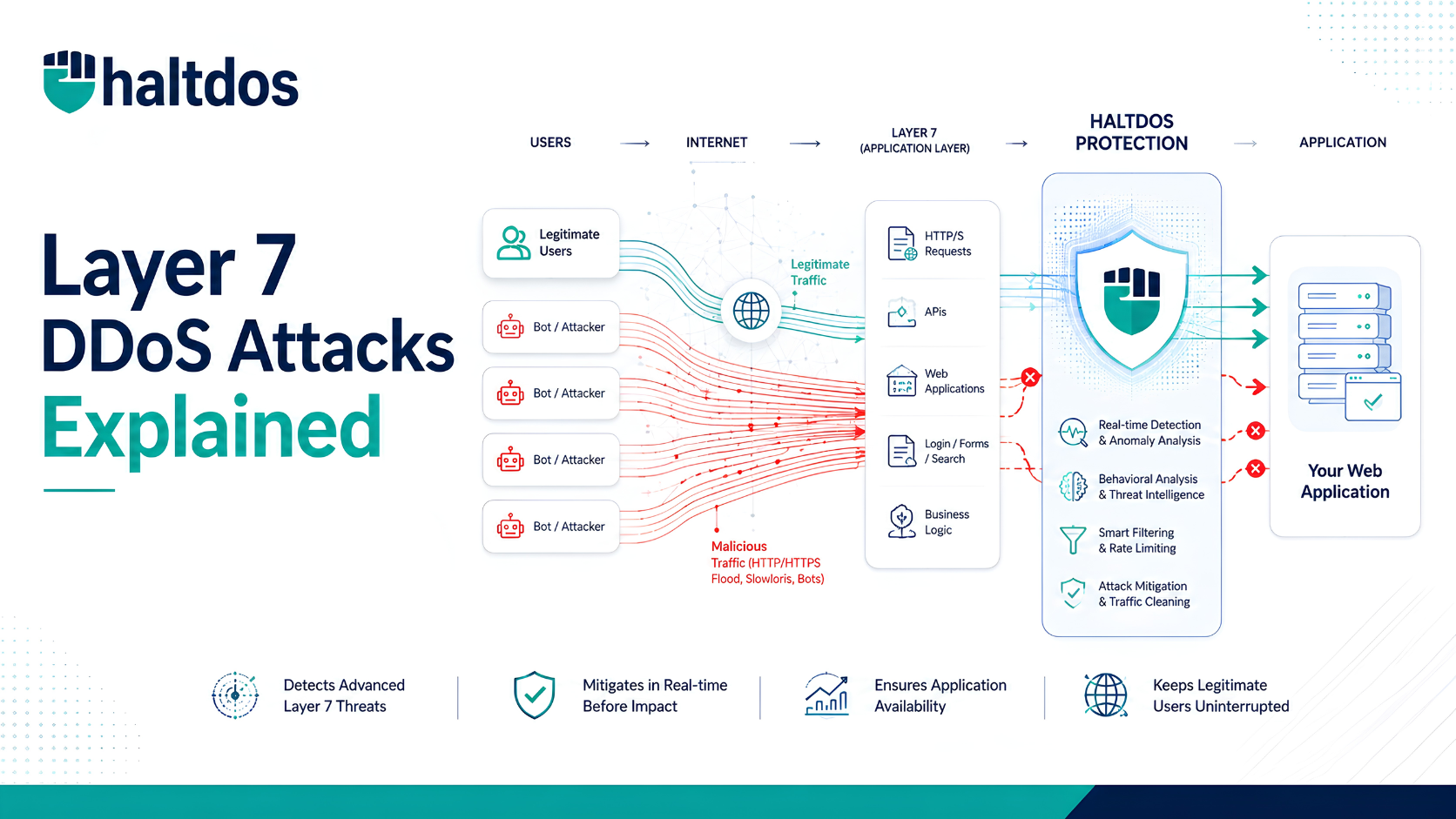
Haltdos combines Application Load Balancing with patented Layer 3–7 Anti-DDoS protection to ensure secure and uninterrupted digital services.
This protects applications from malicious traffic while maintaining performance for genuine users.
6. Better User Sessions and Stability
ALBs support session persistence (sticky sessions), ensuring users remain connected to the same backend server during active sessions.
This is especially important for:
- Banking portals
- Shopping carts
- Login sessions
- Enterprise applications
Users experience smoother interactions without repeated logins or session disruptions.
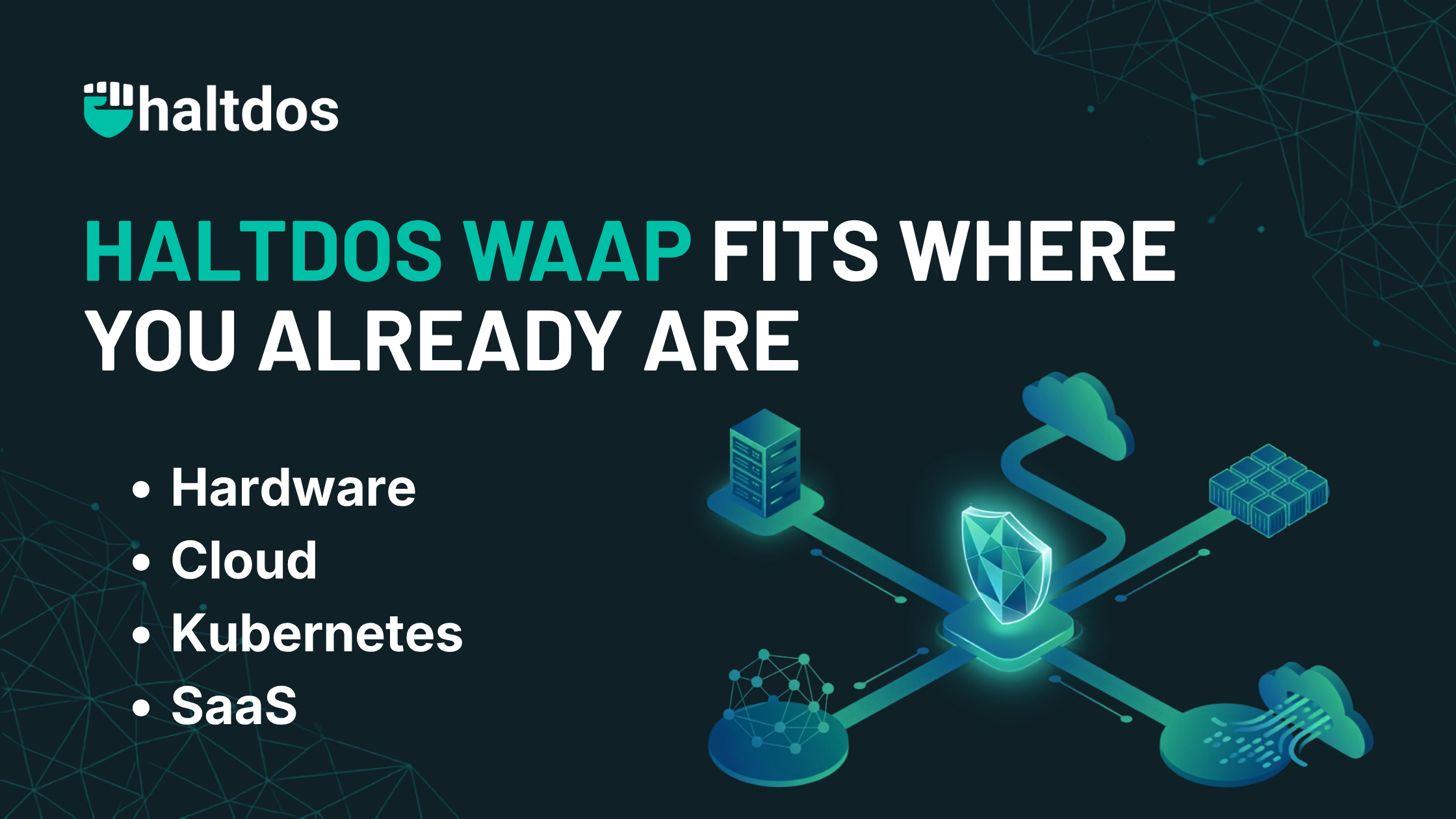
7. Optimized Cloud and Hybrid Infrastructure
Modern organizations use cloud, on-premise, and hybrid environments. Application Load Balancers simplify traffic management across distributed infrastructures.
Benefits include:
- Better resource utilization
- Improved cloud performance
- Reduced infrastructure bottlenecks
- Efficient multi-data-center operations
This ensures users receive consistent performance regardless of their location or traffic source.
Why Businesses Need Application Load Balancers
Organizations today cannot afford poor performance or downtime. Application Load Balancers help businesses:
- Improve customer experience
- Increase application reliability
- Reduce operational risks
- Enhance security
- Support business growth
Industries such as banking, healthcare, government, telecom, education, and e-commerce heavily rely on load balancing technologies for mission-critical operations.
Conclusion
Application Load Balancers are essential for delivering fast, reliable, and secure digital experiences. By intelligently distributing traffic, improving availability, and enhancing security, they ensure users can access applications smoothly at all times.
As businesses continue to scale digitally, adopting advanced load balancing solutions becomes critical for maintaining customer trust and operational efficiency.
Haltdos offers indigenously developed Application Load Balancing solutions integrated with advanced security and patented Anti-DDoS technology to help enterprises build resilient, high-performance digital infrastructure.