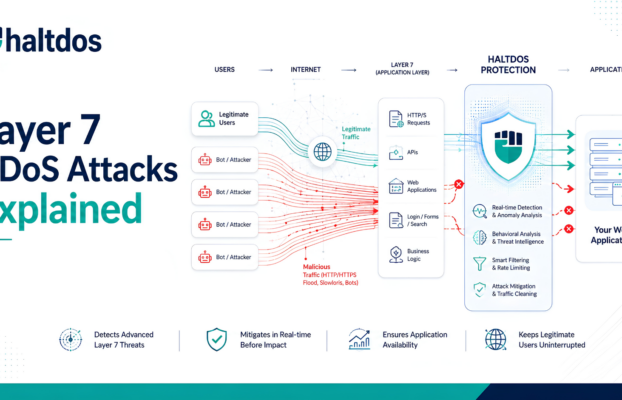
Layer 7 DDoS Attacks Explained
August 10, 2026Learn what Layer 7 DDoS attacks are, how HTTP floods and API attacks work, why they are difficult to detect, and how organizations can mitigate them.

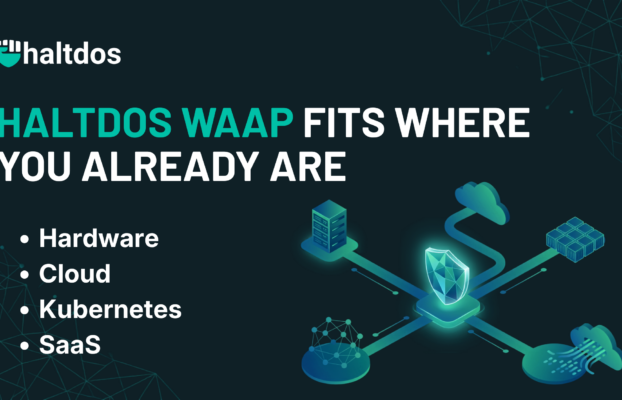
Hardware, Cloud, Kubernetes, or SaaS – Haltdos WAAP Fits Where You Already Are
July 10, 2026Choosing a Web Application and API Protection (WAAP) platform usually starts as a security conversation and ends as an infrastructure compromise. Most vendors support one or two deployment models well, and everything else becomes a workaround — a proxy in...
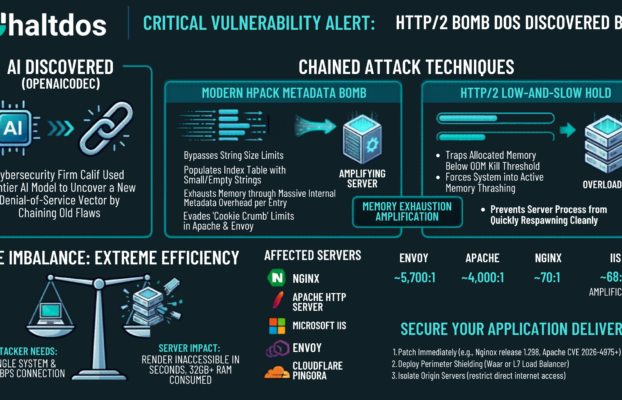
The HTTP/2 Bomb: How Frontier AI Unlocked a Critical New DoS Vector
June 5, 2026A highly sophisticated, remote denial-of-service (DoS) vulnerability has been uncovered, threatening major web servers across the internet. Dubbed the “HTTP/2 Bomb,” this exploit allows an attacker to completely cripple enterprise-grade web infrastructure within seconds using negligible bandwidth—requiring nothing more than...
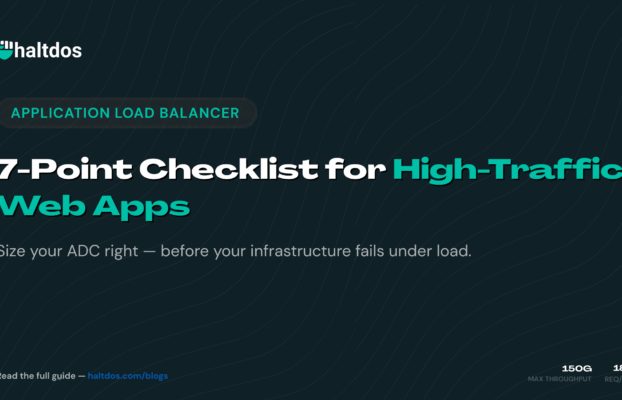
How to Choose an Application Load Balancer for High-Traffic Web Apps: A Technical Checklist
May 19, 2026Key Takeaways* When Your Load Balancer Becomes the Bottleneck A web application that processes 3 million HTTP requests per second doesn’t fail at the database first — it fails at the load balancer. Yet most infrastructure teams spend months benchmarking...
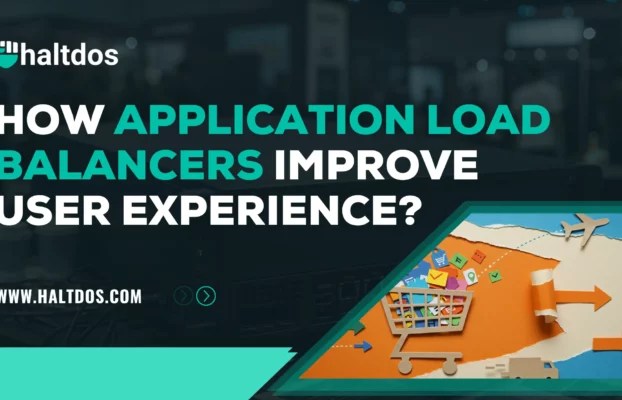
How Application Load Balancers Improve User Experience
May 7, 2026In today’s digital world, users expect applications and websites to load instantly, remain available 24/7, and deliver a seamless experience without interruptions. Whether it’s an e-commerce platform, banking application, government portal, or enterprise software, performance and reliability directly impact customer...
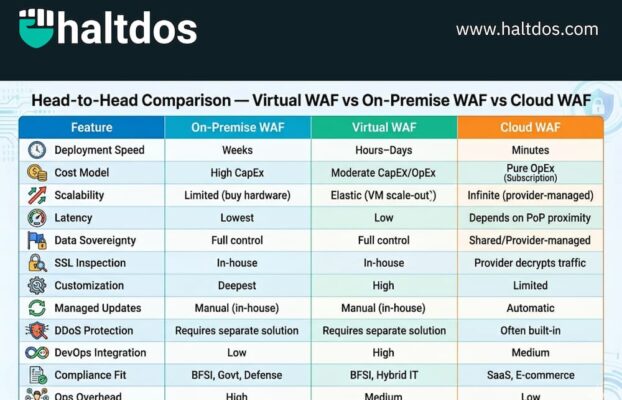
Virtual WAF vs On-Premise WAF vs Cloud WAF: Which Is Best for You? (2026 Guide)
April 20, 2026A Web Application Firewall (WAF) is no longer optional — it’s a foundational layer of any serious application security strategy. But choosing how to deploy one is where most organizations get stuck. Should you buy a physical appliance and run...
How to Secure Your Infrastructure from Next-Gen Bot Attacks – And How Haltdos (Make in India) Is Leading the Cyber War
April 3, 2026Introduction: The Bot is Not What It Used to Be Remember when bot attacks were just simple scripts trying to stuff login credentials? Those days are over. Today, we face Fifth-Generation Bots—AI-driven, polymorphic, and disturbingly human-like. These new-generation bots can: For...
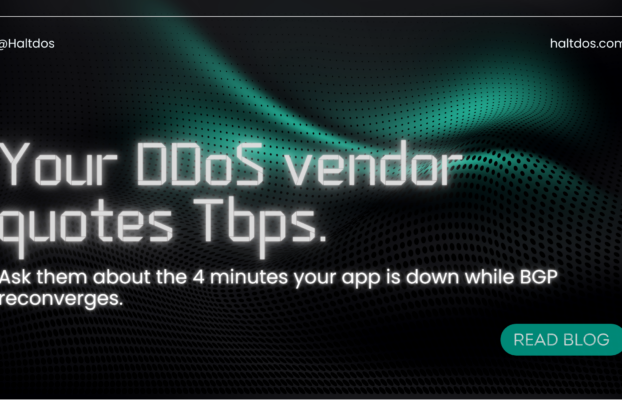
Anycast vs. Scrubbing Center Architecture: What DDoS Mitigation Vendors Won’t Tell You About Latency Trade-offs Under Sustained Attack
March 13, 2026The two dominant paradigms for volumetric DDoS mitigation — Anycast-based scrubbing and on-demand traffic diversion to dedicated scrubbing centers — represent fundamentally different trade-offs between baseline latency, mitigation capacity, detection lag, and operational complexity. Understanding which trade-offs your infrastructure can...
DNS Firewall: The Overlooked Layer in Cyber Defense
March 3, 2026According to the latest Verizon Data Breach Investigations Report (DBIR), over 90% of malware uses DNS at some stage of the attack lifecycle—whether for command-and-control (C2), data exfiltration, or lateral movement. Yet, DNS security remains one of the most overlooked...